



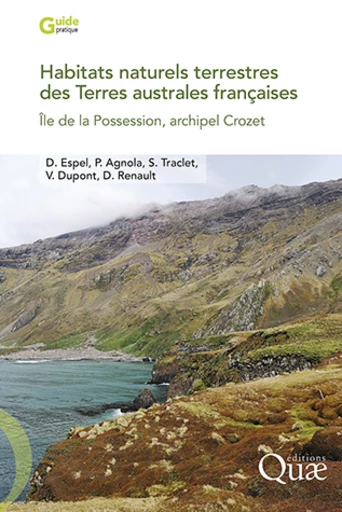
Habitats naturels terrestres des Terres australes françaises
Île de la Possession, archipel Crozet
Référencer ce produit sur votre site
Pour intégrer sur votre site, un lien avec le visuel et le titre de ce produit :
Habitats naturels terrestres des Terres australes françaises
utilisez le code HTML suivant :
ou dirigez votre internaute sur ce lien :
Déjà affilié ? Connectez-vous pour bénéficier de votre code HTML avec identifiant personnel.
Vous souhaitez devenir affilié ? Contactez-nous.
Dernier commentaire des lecteurs
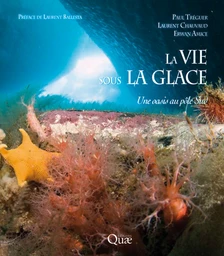
Paul Tréguer, Laurent Chauvaud, Erwan Amice
Livre relié 23,00 €
Livre papier 32,00 €
Antoine Franck, Maëva Naze, Jean-Noel Eric Rivière
Livre papier 36,00 €
Livre papier 19,00 €
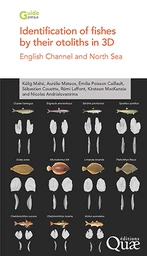
Kélig Mahé, Aurélie Matéos, Émilie Poisson Caillault, Sébastien Couette, Rémi Laffont, Kirsteen MacKenzie, Nicolas Andrialovanirina
Livre papier 19,00 €
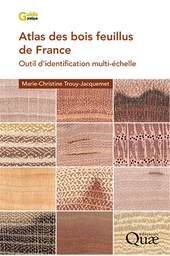
Marie-Christine Trouy-Jacquemet
Livre papier 69,00 €
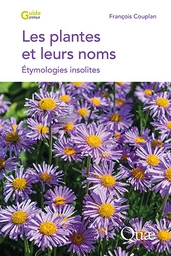
Livre papier 32,00 €
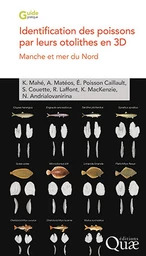
Livre papier 18,00 €

Livre papier 30,00 €

Livre papier 32,00 €
Antoine Franck, Maëva Naze, Jean-Noel Eric Rivière
Livre papier 36,00 €
Livre papier 19,00 €

Livre papier 25,00 €

Livre papier 38,00 €
Livre papier 23,00 €
Caractéristiques
Langue(s) : Français
Éditeur : Éditions Quae
Édition : 1re édition
Collection : Guide pratique
Publication : 5 décembre 2024
Référence Livre papier : 02970
Référence eBook [PDF] : 02970NUM
Référence eBook [ePub] : 02970EPB
EAN13 Livre papier : 9782759239658
EAN13 eBook [PDF] : 9782759239665
EAN13 eBook [ePub] : 9782759239672
DOI eBook [PDF] : 10.35690/978-2-7592-3966-5
Intérieur : Couleur
Format (en mm) Livre papier : 160 x 240
Nombre de pages Livre papier : 202
Nombre de pages eBook [PDF] : 202
Poids (en grammes) : 450
Taille(s) : 105 Mo (PDF), 118 Mo (ePub)