



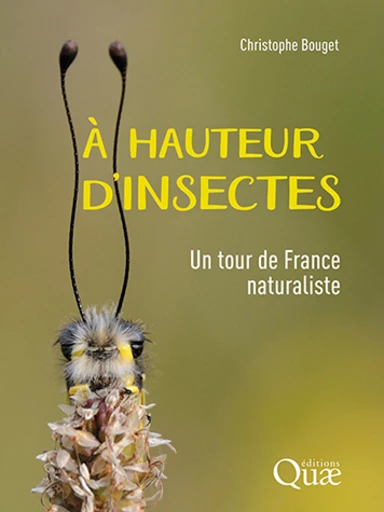
À hauteur d'insectes
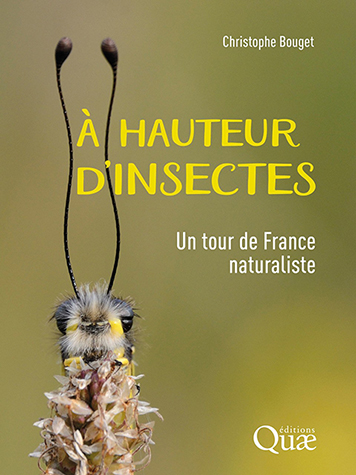


Un tour de France naturaliste
Référencer ce produit sur votre site
Pour intégrer sur votre site, un lien avec le visuel et le titre de ce produit :

À hauteur d'insectes
utilisez le code HTML suivant :
ou dirigez votre internaute sur ce lien :
Déjà affilié ? Connectez-vous pour bénéficier de votre code HTML avec identifiant personnel.
Vous souhaitez devenir affilié ? Contactez-nous.

Livre papier 24,00 €
Livre relié 26,00 € 13,00 € (-50%)
Livre papier 24,00 €
Livre papier 15,00 €

Livre papier 22,00 €

Livre papier 30,00 €

Livre papier 18,00 €

Livre papier 22,00 €

Livre papier 18,50 €

Jean-François Beauvais, Patrick Matagne
Livre papier 19,00 €

Livre papier 30,00 €

Livre papier 19,00 €
Livre relié 25,00 €
Livre papier 22,00 €

Livre papier 20,00 €
Jean-François Beauvais, Patrick Matagne
Livre papier 19,00 €

Livre papier 19,00 €
Caractéristiques
Langue(s) : Français
Éditeur : Éditions Quae
Édition : 1re édition
Collection : Hors Collection
Publication : 7 mai 2026
Référence Livre papier : 03061
Référence eBook [PDF] : 03061NUM
Référence eBook [ePub] : 03061EPB
EAN13 Livre papier : 9782759242337
EAN13 eBook [PDF] : 9782759242344
EAN13 eBook [ePub] : 9782759242351
Intérieur : Couleur
Format (en mm) Livre papier : 165 x 220
Nombre de pages Livre papier : 144
Nombre de pages eBook [PDF] : 144
Poids (en grammes) : 340
Taille(s) : 46,8 Mo (PDF), 27,1 Mo (ePub)
Média
-
INTERVIEW - À hauteur d'insectes | Christophe Bouget
PODCAST
-
INTERVIEW - À hauteur d'insectes | Christophe Bouget 2
PODCAST