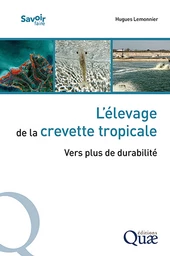



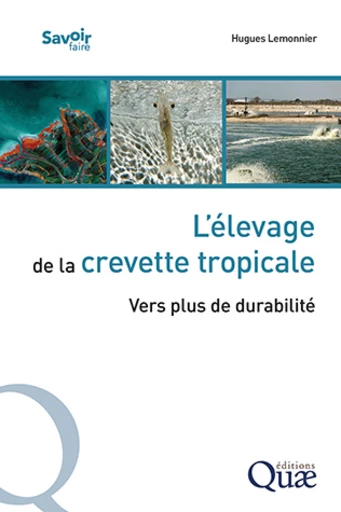
Toward Greater Sustainability

by Hugues Lemonnier (writer)
Collection: Savoir faire
august 2026
Référencer ce produit sur votre site

Summary

With an annual growth rate of around 5% between 2015 and 2026, the shrimp industry has become a pillar of aquaculture, supplying products that are widely available on store shelves. This industrial sector is expanding and intensifying its operations in coastal areas, particularly in the tropics.This growth trajectory, based on practices and production methods inherited from the 1980s, nevertheless poses numerous environmental, economic, and societal problems, calling into question the sector’s sustainability: the emergence of animal diseases and significant impacts on coastal ecosystems.To better understand the sector’s current risks and challenges, the author reviews the experience gained in various regions of the world (New Caledonia, Indonesia and Vietnam) regarding the links between shrimp farming and the environment. He discusses the implementation of innovative tools for the monitoring and sustainable management of systems, the diversification of farmed species, the ecological intensification of production systems and the development of integrated multitrophic aquaculture. He also covers the rehabilitation of aquaculture ponds that have been abandoned by farmers following successive crises since the 1990s.This book is intended for all stakeholders in the shrimp industry, including government officials and their decentralized agencies, local governments, consulting firms, as well as industry professionals—from production to the food processing sector. It also serves as a valuable resource for students and anyone wishing to understand the challenges facing the sector and the solutions being considered to promote more sustainable shrimp farming.

Table of contents

Acknowledgments

Introduction

1. Shrimp Farming

General Background
Global Shrimp Production
The Production Cycle
Grow-out Techniques
Key Factors Affecting the Development of the Industry
New Caledonia: An Example of Development

2. Agrosystem Trajectories

Biogeochemical Dynamics

Changes in Abiotic Stress Factors During Rearing

Long-Term Sediment Dynamics
Study of a Trajectory Leading to Metal Bioavailability
Phytoplankton Diversity and Dynamics During Rearing
Shrimp diseases
Conclusions

3. Coastal Environment

Introduction
Major Impacts
New Caledonia: Toward Greater Environmental Consideration?

4. Mixed Farming and Integrated Multitrophic Aquaculture

Background
Case Study: New Caledonia
Prospects, Limitations, and Challenges

5. Development of Tools for Sustainable Management

Background
The Complex and Vast Amounts of Data Collected by Farmers in New Caledonia
The Case of Satellite Data
Conclusions and Prospects

6. Rehabilitation of Abandoned Production Sites

Background
Case Study: The Perancak Estuary
Mangrove Restoration/Rehabilitation
Conclusions

Conclusion

References

Press

More contents

Features

Language(s): French

Publisher: Éditions Quae

Collection: Savoir faire

Published: 6 august 2026

Reference Book: 02915

Reference eBook: 02915EPB

EAN13 Book: 9782759237845

EAN13 eBook: 9782759237869

Interior: Black & white

Format (in mm) Book:

Vidéo