



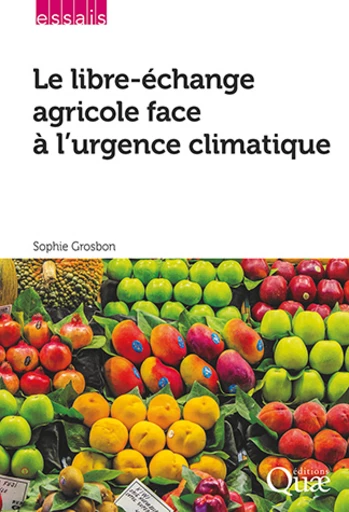
Le libre-échange agricole face à l'urgence climatique
Référencer ce produit sur votre site
Pour intégrer sur votre site, un lien avec le visuel et le titre de ce produit :
Le libre-échange agricole face à l'urgence climatique
utilisez le code HTML suivant :
ou dirigez votre internaute sur ce lien :
Déjà affilié ? Connectez-vous pour bénéficier de votre code HTML avec identifiant personnel.
Vous souhaitez devenir affilié ? Contactez-nous.


Livre papier 28,00 €

Bernard Ruffieux, Aurélie Level
Livre papier 29,00 €
Livre papier 49,00 €
Livre papier 49,00 €
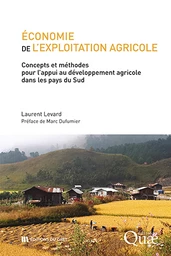
Livre papier 19,00 €
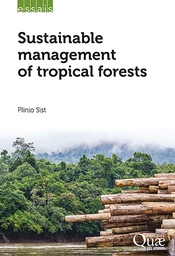


Francelyne Marano, Fabien Squinazi
Livre papier 19,00 €
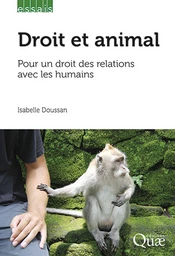
Livre papier 16,00 €

Livre papier 15,00 €


Livre papier 16,50 €

Livre papier 16,00 €

Livre papier 19,00 €

Livre papier 25,00 €

Livre papier 38,00 €
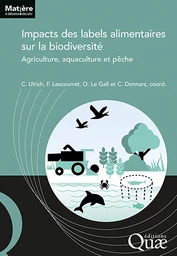
Livre papier 23,00 €
eBook 0,00 € (gratuit)
Caractéristiques
Langue(s) : Français
Éditeur : Éditions Quae
Édition : 1re édition
Collection : Essais
Publication : 17 avril 2025
Référence Livre papier : 02984
Référence eBook [PDF] : 02984NUM
Référence eBook [ePub] : 02984EPB
EAN13 Livre papier : 9782759240234
EAN13 eBook [PDF] : 9782759240241
EAN13 eBook [ePub] : 9782759240258
DOI eBook [PDF] : 10.35690/978-2-7592-4024-1
Intérieur : Noir & blanc
Format (en mm) Livre papier : 140 x 205
Nombre de pages Livre papier : 84
Nombre de pages eBook [PDF] : 84
Poids (en grammes) : 115
Taille(s) : 3,45 Mo (PDF), 388 ko (ePub)