


Summary
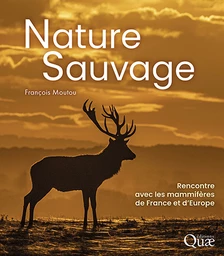
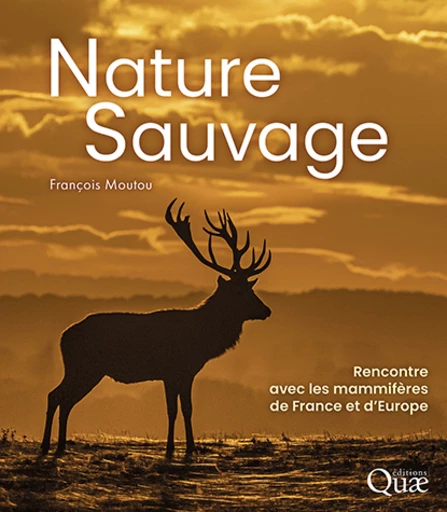
Whether terrestrial, flying or amphibious, more than 120 species of wild mammals live in France today. Their presence in France - and more widely in Europe - is the fruit of a long history, shaped by countless morphological, behavioral and physiological evolutions. This has forged a remarkable diversity, essential to the vitality of our ecosystems. Deer, wolves, bears, wild boar, hares, weasels, shrews, squirrels, hedgehogs, forest cats, lynx, chamois, beavers, voles... These mammals are the discreet but essential players in nature's health. And we share a common territory with them.
But how do these animals, established since the end of the great Quaternary ice ages, react to the upheavals caused by human activity? Pollution, landscape fragmentation, the arrival of exotic and sometimes invasive species, climate change... the pressures are multiple and often intense.
This book invites you to immerse yourself in the world of these mammals, both familiar and little-known, through a series of portraits illuminated by their interactions, adaptations and sometimes surprising balances. It also raises questions about our role: will we know how to better live with them in the future, in the natural world we inhabit together?
Table of contents
Introduction
What are mammals?
Mammal populations in France
What this book is about
1 Arboreal acrobats
The wood elf
A life in the trees
Poorly understood demographic factors
A squirrel's appetite
Too beloved, but unloved?
The elegant pine marten, cousin of the weasel
Keeping a low profile
Diapause and sarabande
2 The hedgehog and the fox
A multi-purpose coat of quills!
A distribution resulting from the retreat of the ice
Severe constraints on reproduction
A home range under heavy pressure
A victim of modern life
A pretty carnivore
A vast distribution
A highly adaptable ecology
From the medieval novel to the Rural Code
3 Field voles and their hunters
Field voles, small but numerous
Did you say “outbreak”?
What status for voles?
Ermine and little beauty
Disparate distribution
Direct or delayed gestation
4 Other small rodents
Murids of the field, field mice
On the trail of field mice
Small but very lively
City rats, highly adaptable species
A busy past... and tomorrow?
A trio of Gliridae in France
Nocturnal, talkative and hibernating
5 Eulipotyphles in my garden!
Two shrew winter strategies
The world of tiny mammals
How to keep out the cold?
Two very different types of mole
Living underground
Moles and men
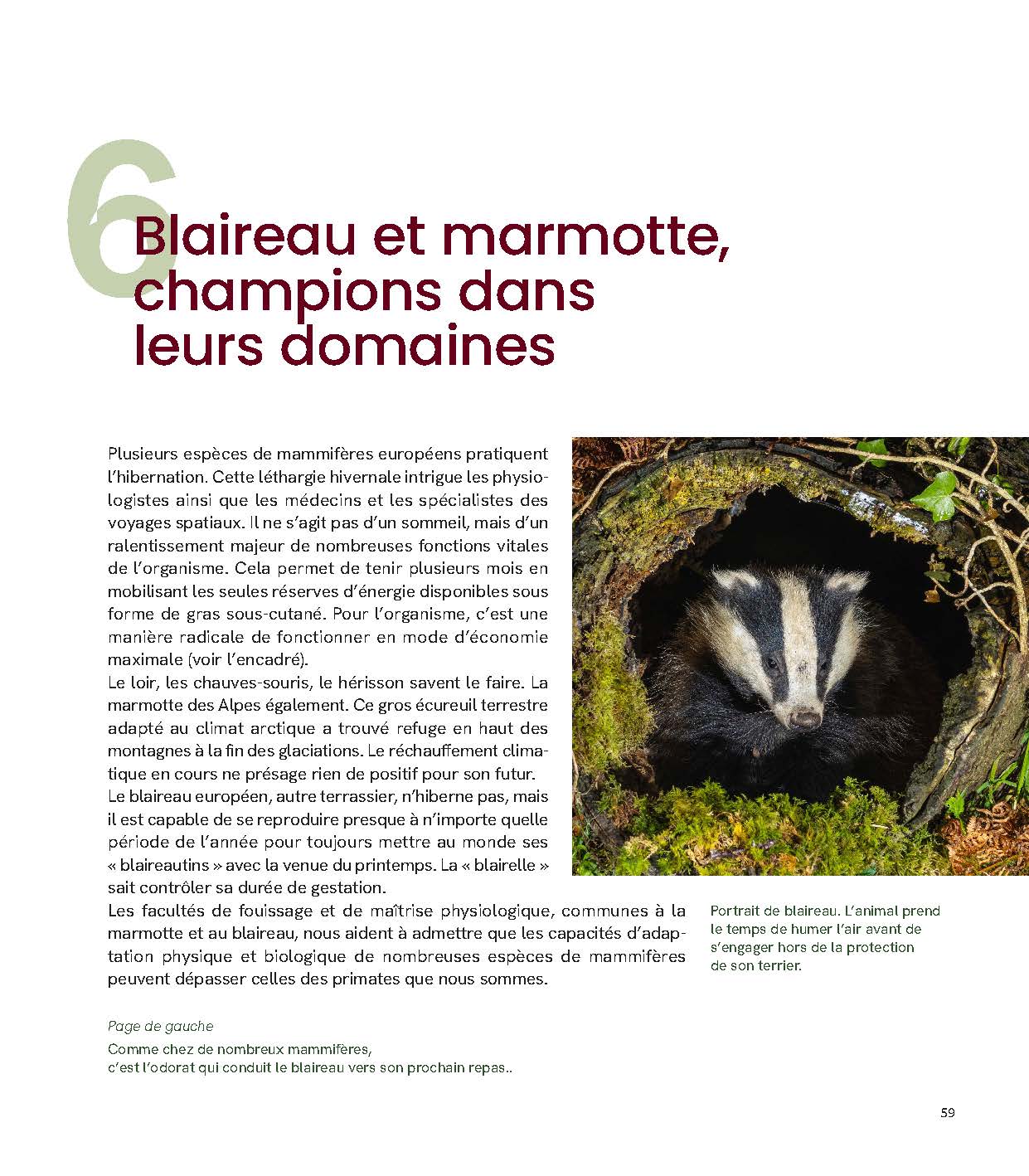
6 Badgers and groundhogs, champions in their fields
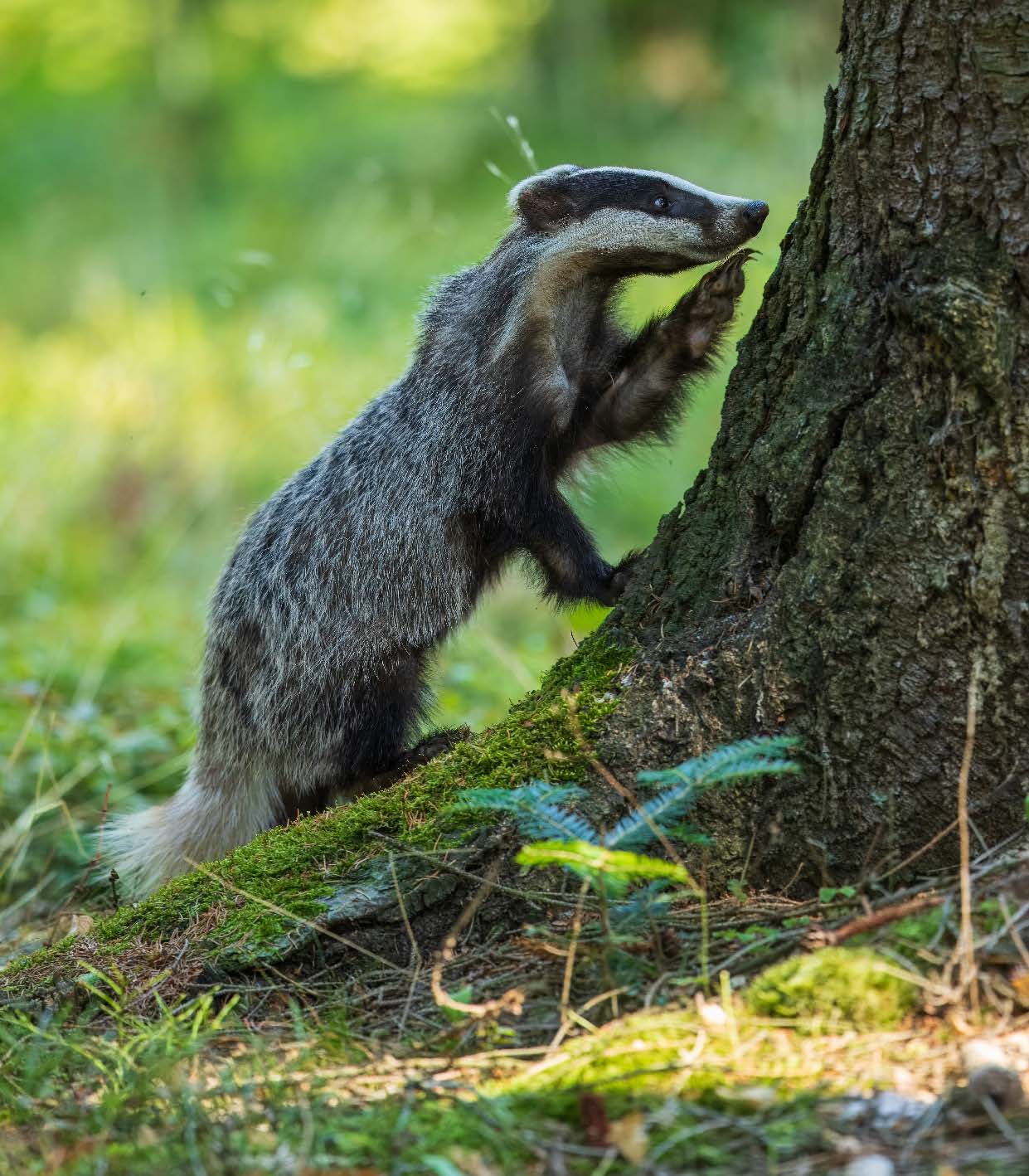
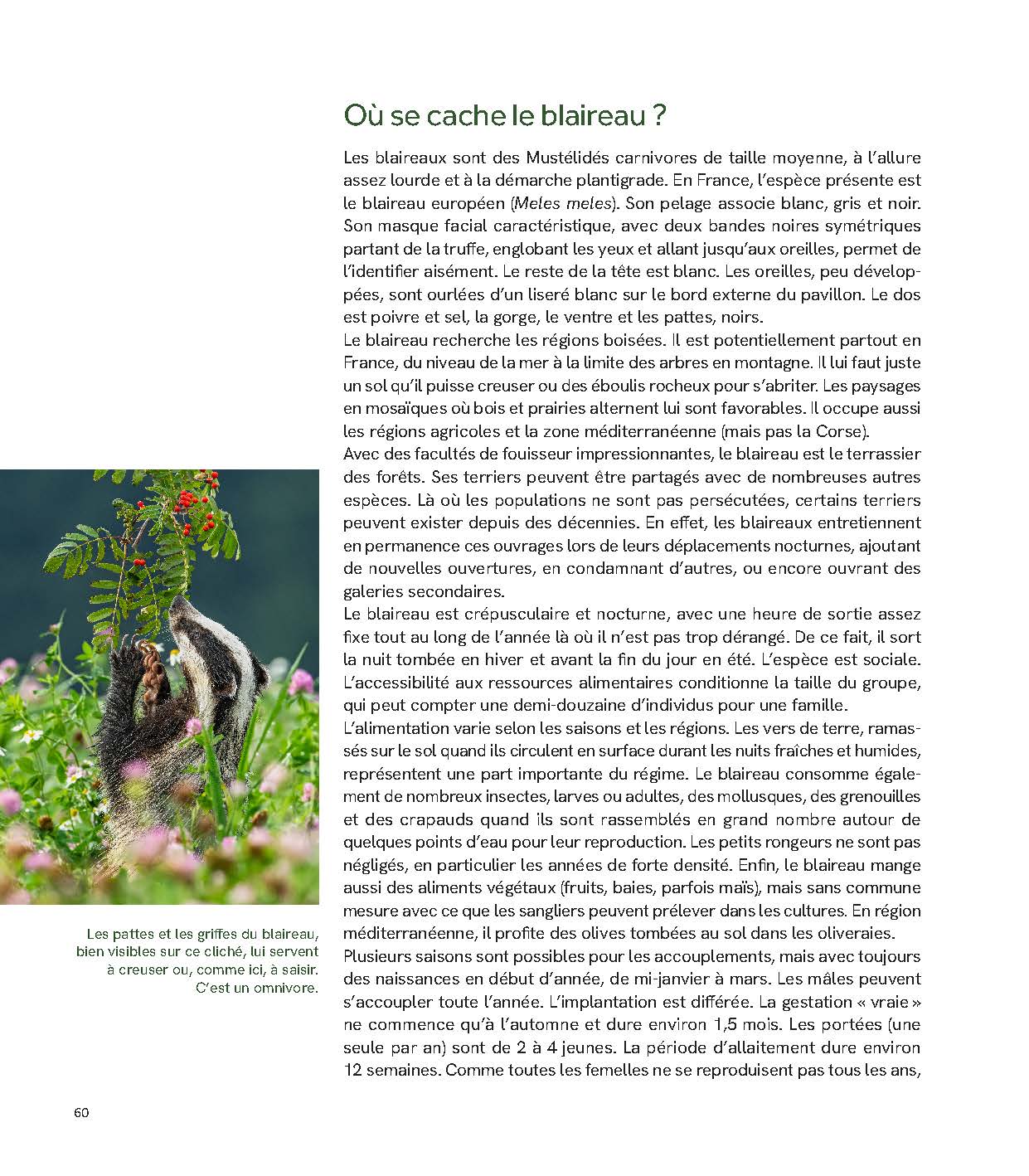
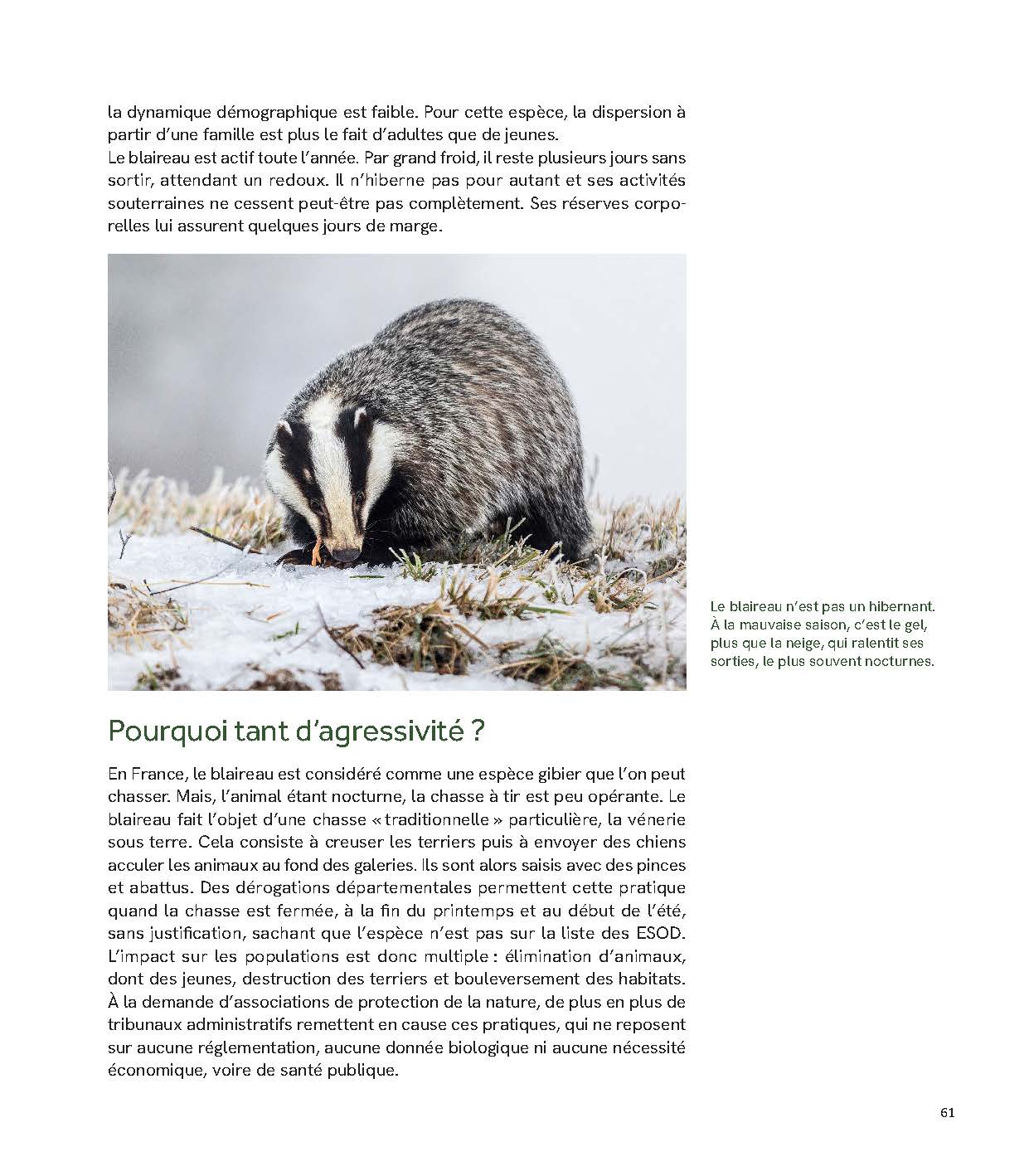
Where do badgers hide?
Why so aggressive?
The Alpine marmot, a souvenir of the Ice Age
Marmot seasons
7 Amphibious carnivores
The European otter, a Eurasian species
An animal adapted to the freshwater environment
A certain comeback
The European polecat, a generalist species in decline
A small carnivore in need of rehabilitation
The European mink, on the brink of extinction
A fragile species
8 Between two worlds, three large amphibious rodents
The European beaver, a large rodent
A waterside habitat
Successful reintroductions
From the north, the muskrat
From the south, the coypu
Invasive exotic species
9 Lagomorphs, a fragile future in our countryside
The European hare, well known to Lewis Carroll
A special digestive system
Release is not reintroduction!
The mountain hare, a climatic refugee
The wild rabbit, a long history
Wild, pet, farmed or laboratory
Introduced exotic lagomorphs
10 Cervidae with large antlers
The Cervidae family
The red deer, well established in France
A growing population
The roe deer, a continental Cervidae
A delayed gestation period
11 Montagnards with sure feet
Chamois and isard, what are the differences?
A well-exploited geography
Mountain antelopes
Alpine ibex, Pyrenean ibex
Horn games
Near extinction
Impact of disease
12 Wild boar and company
The wild boar, a well-known silhouette
Wild boar and pig, back and forth
A sedentary animal
Ambiguous repopulation practices
From pest to ESOD
13 Félins de France
The boreal lynx, Europe's big cat
A modest comeback
At last, a national action plan!
The forest cat, a true European wildcat
A forest cat's life
14 Great carnivores, myths and realities
The brown bear, a real forester
An omnivorous, even vegetarian carnivore
Favouring the survival of bear cubs
Friction zones...
The gray wolf, an ancient history
An interesting mammal to study
What cohabitation for the future of the wolf?
15 Mammals with wings!
The chiropteran order
Bats in France
Separate feeding and roosting habitats
Skilful hunters
Pre-hibernation activities
Sites vulnerable to disturbance
Living together?
Conclusion
The pine marten to the red squirrel's rescue
The hedgehog and the fox at the end
The eulipotyphles in my garden
The marmot and the badger
Those from here and elsewhere
The same country for all
References