




Toutes les couleurs de la nature


Toutes les couleurs de la nature
Référencer ce produit sur votre site
Pour intégrer sur votre site, un lien avec le visuel et le titre de ce produit :

Toutes les couleurs de la nature
utilisez le code HTML suivant :
ou dirigez votre internaute sur ce lien :
Déjà affilié ? Connectez-vous pour bénéficier de votre code HTML avec identifiant personnel.
Vous souhaitez devenir affilié ? Contactez-nous.


Livre relié 26,00 €

Eric Darrouzet, Vincent Albouy
Livre papier 23,50 € 16,45 € (-30%)
Livre papier 23,50 €

Livre papier 19,00 € 11,40 € (-40%)

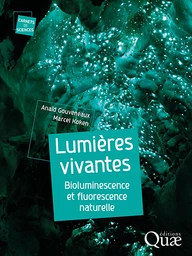
Anaïd Gouveneaux, Marcel Koken
Livre papier 24,00 €


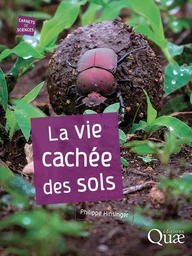

Eric Darrouzet, Vincent Albouy
Livre papier 23,50 € 16,45 € (-30%)


Jean-Paul Hébert, Dany Léo Griffon
Livre papier 12,50 €
Anaïd Gouveneaux, Marcel Koken
Livre papier 24,00 €

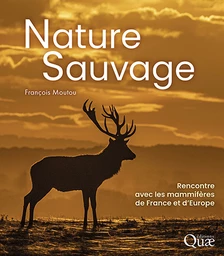
Livre relié 26,50 €

Livre relié 25,00 €

Livre relié 25,00 €

Caractéristiques
Langue(s) : Français
Éditeur : Éditions Quae
Collection : Carnets de sciences
Publication : 29 mai 2025
Référence Livre papier : 03005
Référence eBook [PDF] : 03005NUM
Référence eBook [ePub] : 03005EPB
EAN13 Livre papier : 9782759240920
EAN13 eBook [PDF] : 9782759240937
EAN13 eBook [ePub] : 9782759240944
Intérieur : Couleur
Format (en mm) Livre papier : 165 x 220
Nombre de pages Livre papier : 152
Nombre de pages eBook [PDF] : 152
Poids (en grammes) : 350
Taille(s) : 19,7 Mo (PDF), 34,6 Mo (ePub)