



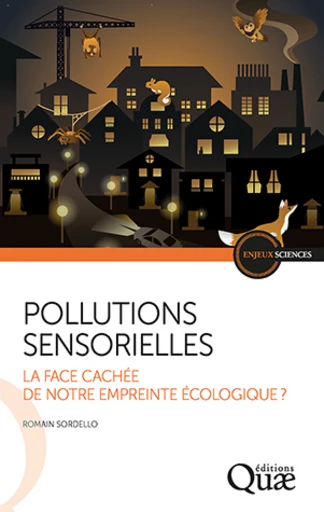
Pollutions sensorielles
La face cachée de notre empreinte écologique ?
Référencer ce produit sur votre site
Pour intégrer sur votre site, un lien avec le visuel et le titre de ce produit :
Pollutions sensorielles
utilisez le code HTML suivant :
ou dirigez votre internaute sur ce lien :
Déjà affilié ? Connectez-vous pour bénéficier de votre code HTML avec identifiant personnel.
Vous souhaitez devenir affilié ? Contactez-nous.

Livre papier 38,00 €


Livre papier 28,00 €


Barbara Redlingshöfer, Séverine Gojard, Tiphaine Lucas, Marine Masson
Livre papier 16,00 €

Stéphan Jacquet, Anne-Claire Baudoux, Yves Desdevises, Soizick F. Le Guyader
Livre papier 18,00 €
Livre papier 14,00 €

Claude Rispe, Laure Bournez, Jonas Durand, Olivier Duron, Magalie René-Martellet
Livre papier 17,00 €



Alain Kondjoyan, Catherine Renard, Patrice Dole, Laurence Fournaison, Hong-Minh Hoang-Le, Yves Le Loir, Caroline Pénicaud, Monique Zagorec, François Zuber
Livre papier 17,00 €
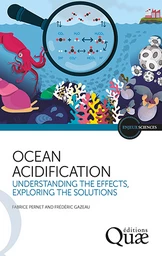
Fabrice Pernet, Frédéric Gazeau
Livre papier 16,00 €

Livre papier 32,00 €

Livre papier 22,00 €
Livre papier 14,00 €

Livre papier 22,00 €


Livre papier 25,00 €

Jean-François Beauvais, Patrick Matagne
Livre papier 19,00 €

Livre papier 20,00 €
Caractéristiques
Langue(s) : Français
Éditeur : Éditions Quae
Collection : Enjeux sciences
Publication : 9 juillet 2026
Référence Livre papier : 03067
Référence eBook [PDF] : 03067NUM
Référence eBook [ePub] : 03067EPB
EAN13 Livre papier : 9782759241996
EAN13 eBook [PDF] : 9782759242009
EAN13 eBook [ePub] : 9782759242016
DOI eBook [PDF] : 10.35690/978-2-7592-4200-9
Intérieur : Noir & blanc
Format (en mm) Livre papier : 120 x 190
Nombre de pages Livre papier : 120
Nombre de pages eBook [PDF] : 120
Poids (en grammes) : 135
Taille(s) : 4,87 Mo (PDF), 1,83 Mo (ePub)